A New Chapter for Ben: Finding Success Beyond the Classroom
14 November 2026
We recently shared a video highlighting the progress a student named Ben made while attending Ozanam, one of our therapeutic day treatment schools. When we filmed the video last year, Ben was working towards transitioning back to his home district. We caught up with Ben’s parents a few weeks ago to discuss his progress, what challenges remain, and what his experience has meant to their family.
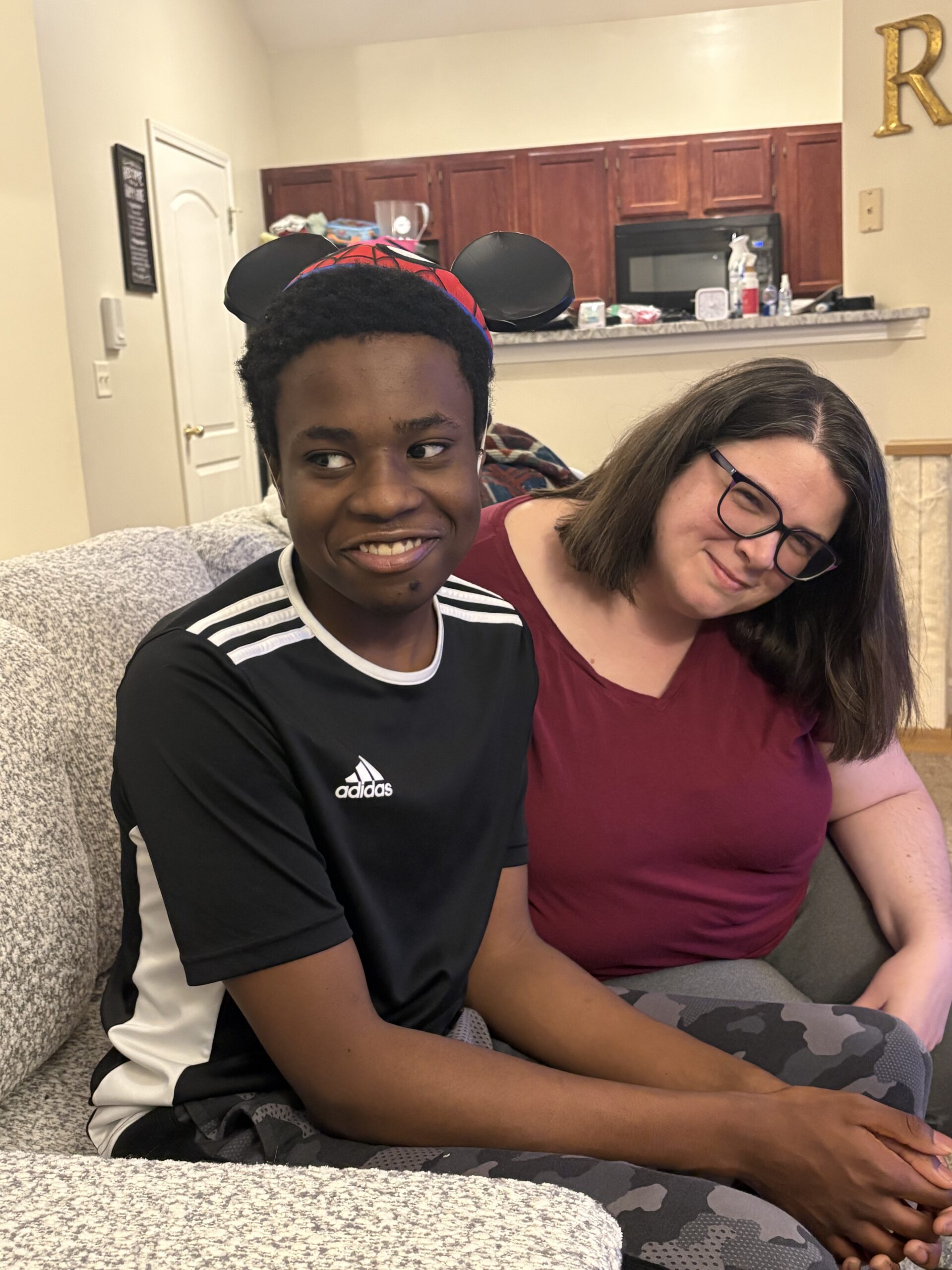
A few years ago, Ben’s parents weren’t sure if he’d ever be able to go to a traditional high school. They were proud to share that he’s now a student at his local district high school and is making plans for his future – including graduating next year! It’s a milestone his family once struggled to imagine and is the result of years of his own hard work and the support of educators who believed in his potential.
Finding the right educational environment was a long and often frustrating process for his family. But at our Ozanam School, Ben finally found educators who took the time to listen, understand his needs, and build relationships with him. “The thing that made the biggest difference is having people who believed in him,” his parents shared. For a student who sometimes struggled to communicate, having adults he trusted made an important difference.
Ozanam was also the first treatment school Ben attended where staff worked directly with his family and his home district to develop a realistic transition plan that also included Ben in the process. Ben’s parents credit that collaboration for his successful transition to a traditional high school.
Academically, Ben continues to have the abilities his family always knew he possessed. “Academically, he is thriving, especially when he gets out of his own way,” his parents explained. “He has shown himself to be incredibly intelligent, a fast learner with an incredible memory.”
Still, the transition hasn’t been without challenges. Ben continues to work through anxiety and self-doubt, which sometimes prevents him from trying things he is fully capable of doing. Organization and time management remain areas of growth, particularly as he adjusts to the demands of a traditional high school.
But his parents have noticed meaningful changes in how he approaches challenges. “Ben has made a real effort to push himself to ask questions, communicate with teachers, and try to stay on top of his work,” they shared. Considering how much has changed in his daily life, they say he’s handling the additional responsibilities impressively well.
Some of Ben’s biggest adjustments are outside the classroom. At Ozanam, he developed relationships with other students, but his parents say those friendships were based on getting through the school day rather than on shared interests or genuine connections. Now, he’s learning how to build friendships with peers he wants to spend time with outside of school. “Ben is already very sociable when he needs to be, but it’s been an adjustment to move beyond the kind of transactional relationships he had while attending Ozanam,” his parents explained. For Ben, that means gradually becoming more comfortable being himself and allowing people to get to know him.
He’s also discovering opportunities that weren’t available to him before. One of the things he’s most excited about is participating in theatre. For his family, seeing Ben explore these opportunities is especially meaningful. His success isn’t measured solely by academic progress or his ability to manage classroom challenges; it’s also about having the freedom to pursue his interests and develop friendships.
Looking back, Ben’s parents hope their family’s experience can help others better understand the value of therapeutic education. They recognize that families may initially view a specialized school placement as a setback, particularly when their hope is for their child to attend a traditional school, but they encourage parents to consider what a different learning environment might make possible.
“I think people make the mistake of seeing a place like Cornerstones of Care as a punishment instead of a place where kids can succeed by being in an environment more attuned to their needs,” they shared. “Some kids need that environment for the entirety of their schooling, and that is okay. It doesn’t mean anyone failed. And for others it is a temporary stop on the longer path. Either way, success is possible.”
That philosophy is central to Cornerstones of Care’s educational approach. Our residential and therapeutic day treatment programs combine individualized academic instruction with behavioral and emotional support, helping students develop skills, build confidence, and work toward goals that reflect their individual needs. With the opening of our new Education Campus in August 2026, we’ve brought our K–12 educational programming together in one location to facilitate seamless collaboration among the professionals who support our students.
Whether a student ultimately returns to their home district or continues their education with us, the goal remains the same: to help them succeed in an environment where they feel understood and supported.
And while Ben still has some challenges to navigate, his future looks very different from the one his family imagined just a few years ago. He’s succeeding academically and exploring interests that could shape his next chapter. Most importantly, he’s getting the opportunity to experience high school in ways that once seemed out of reach.
His story is a reminder that progress can be a long, nonlinear journey. Sometimes it requires finding a different approach that gives students the time and support they need to discover what they’re capable of achieving.
For Ben, that support helped open the door to a new chapter. And with graduation on the horizon, there’s much more ahead.